
Human Body
You live in it every day, and it is still full of surprises.
You carry a remarkably complicated living system around all day, usually without thinking about it. Bones change as you grow, organs keep renewing themselves, and your brain quietly adjusts what you feel and notice. These facts look at the human body through anatomy, physiology and genetics. They explain everyday experiences as well as details hidden at the cellular level. People vary, so approximate figures stay approximate, and a typical adult measurement is not presented as a rule for everyone. This is curiosity about how bodies work, not medical advice or a substitute for a conversation with a clinician.
By the numbers
All human body facts

Babies are born with about 300 bones, but adults have only 206.

You are about a centimeter taller in the morning than at night.

Your brain is about 2% of your body weight but burns around 20% of your energy.

Your stomach replaces its inner lining every few days.

Your body contains a vast network of microscopic blood vessels.

Your brain usually makes your own touch feel less ticklish.

Humans actually glow in the dark, just too faintly to see.

Any two people share about 99.9% of their DNA.
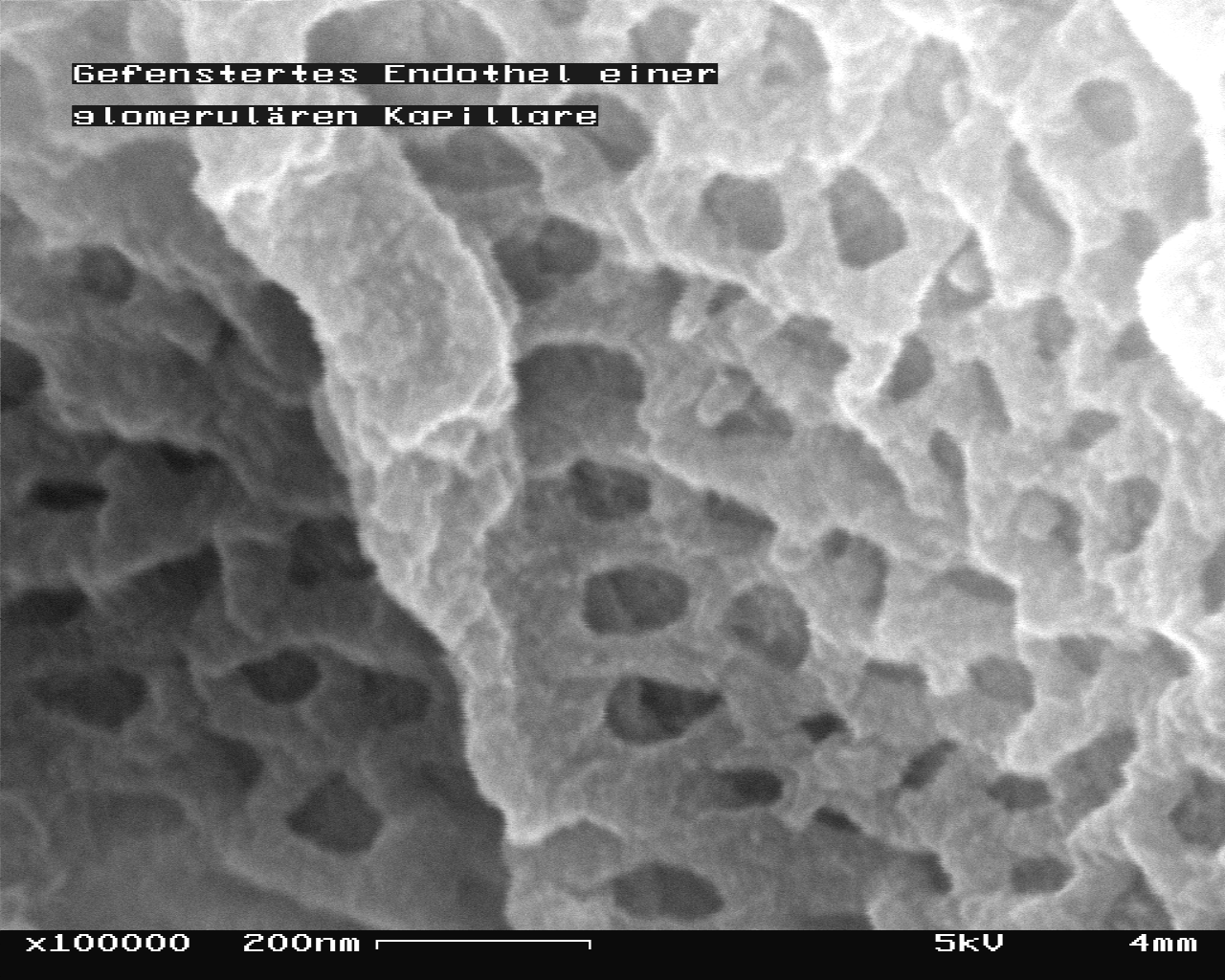
Each human kidney contains about a million filtering units.

Your kidneys help regulate red blood cell production as well as filtering blood.

Your liver makes bile; your gallbladder stores it.

Starch digestion begins before food reaches your stomach.

Food travels down your esophagus through coordinated muscle contractions.

The small intestine has three named sections.

Your pancreas sends digestive enzymes into your small intestine.

Insulin is produced by specialized beta cells in the pancreas.

Your heart has two receiving chambers and two pumping chambers.

Your right lung normally has three lobes, while your left has two.

Your diaphragm moves downward when you inhale.

Three tiny middle-ear bones transmit vibrations toward your inner ear.

Inner-ear hair cells turn sound-driven motion into electrical signals.

Your retina converts incoming light into electrical signals.

Human taste detects at least five basic qualities, including savory umami.

Much of what you call a food’s flavor comes from smell.

Your skin is an organ that helps prevent dehydration.

Bone marrow is a major site of blood cell production.

Tendons connect muscle to bone; ligaments connect bone to bone.

Early tooth decay can sometimes be reversed before a cavity forms.

Human mitochondria contain their own DNA.

Most skeletal muscles become temporarily inactive during normal REM sleep.
Join the list.
Every now and then we'll send you a fact you've never heard before.
No spam. No set schedule. Unsubscribe anytime.